
Exterior Stucco Painting
Painting exterior stucco is a specialized part of our residential exterior painting work. Stucco is a porous, textured masonry surface, so achieving a consistent finish involves more than simply changing the colour. Proper cleaning, preparation, product selection and application technique all affect the final result.

We're Top Rated on HomeStars

We Paint Siding refinishes worn, faded and weathered stucco exteriors for homeowners across the Greater Toronto Area and the Golden Horseshoe. We also handle larger stucco, concrete and similar commercial projects, including plazas, storefronts, hotels, warehouses and factories.
Our approach is designed around the characteristics of stucco. Rather than focusing solely on colour coverage, we work toward an appropriate coating build that creates a more uniform appearance while preserving the texture’s natural character.
If your stucco exterior has faded unevenly, developed visible surface variation, or simply needs a new colour, we can assess its condition and explain the appropriate preparation and coating approach for the property.

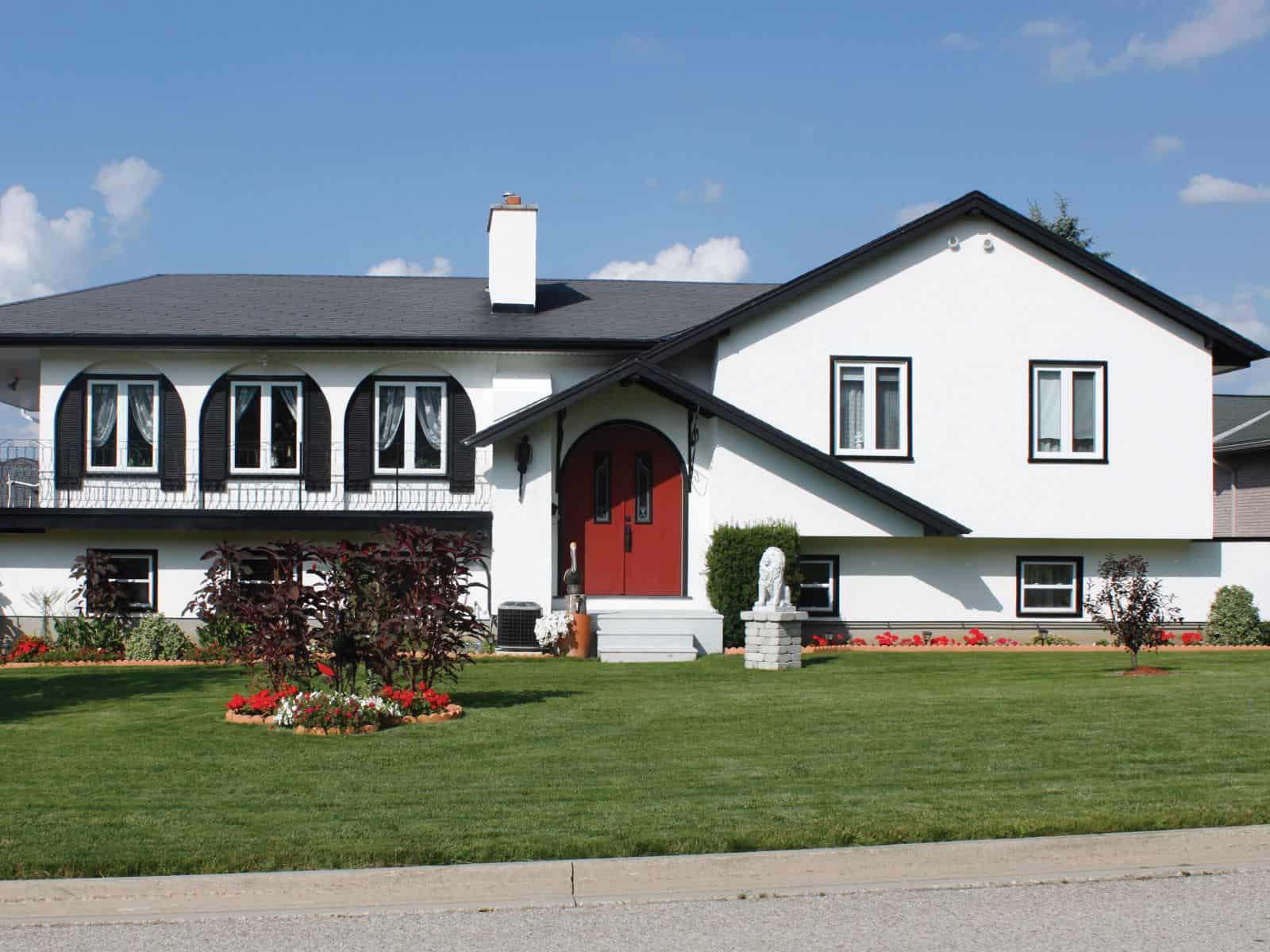
An Impactful Exterior Refurbishment
Stucco naturally has variation because it is applied by hand and finished with a textured surface. Over time, weather exposure can make differences in colour, fading, trowel marks, and surface wear more noticeable.
A properly executed stucco painting project can refresh the colour while also creating a more consistent overall appearance. With the right coating build and application method, the finished surface can look more uniform than the weathered original without eliminating the texture that gives stucco its character.
A Thick and Even Paint Coating
Stucco behaves differently from smooth siding because the surface contains texture, pores and a larger effective surface area. Paint can be absorbed into the substrate and settle differently across raised and recessed areas. As a result, simply applying enough material to hide the old colour does not always produce the finish a homeowner expects.
Our stucco painting process is focused on achieving the appropriate coating build for the surface. The objective is a substantial, even coating that improves colour consistency and the appearance of the stucco while using a product appropriate for the substrate and exterior conditions.
This approach can require more paint and labour than painting a smooth surface. That added material and preparation are part of achieving the finished appearance rather than simply covering the previous colour.
Stucco Colour Coverage Versus Full Coating Build
There is an important difference between covering the previous colour and creating a complete, uniform stucco finish. A surface may technically have full colour coverage while still showing uneven absorption, texture variation or visible flashing.
Stucco can remain patchy when too little material is applied or when the coating is not worked adequately into its porous texture. Two conventional coats may hide the original colour without providing the coating build required for a consistent appearance.
For this reason, we select products that can be built to the appropriate thickness while remaining suitable for the stucco surface. Our spray-and-back-roll technique helps distribute the coating and work it into the texture, producing a more consistent result across the exterior.
The exact amount of coating required varies with the existing surface, colour, texture, absorption and selected product. The goal is not simply to apply as much paint as possible; it is to achieve the appropriate coating system and finish for the specific stucco.
What a Full-Coating-Build Stucco Project Involves
- The Right Paint Product: Stucco requires an exterior coating selected for the masonry surface, the existing condition and the desired finish.
- More Material: Porous, textured stucco generally requires more coating than a smooth substrate does when a substantial, uniform finish is desired.
- Additional Labour: Preparation, spray application and back-rolling require more work than a simple colour-change application.
- A More Consistent Finish: Applying the coating properly can reduce visible colour variation and improve overall exterior uniformity.
- A Specialized Application: Stucco requires a different approach than smooth aluminum or vinyl siding, so the application method must account for its texture and porosity.
A high-build approach does not guarantee that every imperfection will disappear. The existing condition of the stucco still matters, and significant cracks, damage or moisture issues should be addressed before painting.
Serving the Greater Toronto Area and the Golden Horseshoe
We Paint Siding provides exterior stucco painting for homes and commercial properties across the Greater Toronto Area and the Golden Horseshoe. Our service area includes:
- Etobicoke
- Mississauga
- Oakville
- Milton
- Burlington
- Hamilton
- Guelph
- Kitchener and Waterloo
- Cambridge
- Brantford
- St. Catharines and Welland
- Niagara Falls
- Other nearby cities and towns
We also serve surrounding communities across the region. If you are unsure whether your property is within our service area, contact us with the property address and project details.
Pressure Washing, Filling Cracks, and Preparation of Stucco Walls
Preparation is one of the most important parts of an exterior stucco painting project. Stucco can retain dirt and other organic contaminants within its texture, and loose paint or damaged areas can interfere with the new coating. We therefore prepare the surface before moving into the application stage.
Cleaning and Repairing Stucco
- Thoroughly Wash the Stucco: We begin by washing the stucco to remove dirt, loose paint and other surface contaminants. Because stucco is porous, it needs adequate time to dry before painting. Drying time depends on weather, moisture levels, the substrate and the coating manufacturer’s requirements.
- Remove Peeling Paint: Existing loose or failing paint is scraped or wire-brushed away so the new coating is not applied over an unstable base.
- Repair Cracks: Where appropriate, cracks and damaged areas are repaired using suitable flexible exterior caulking or stucco patching compound. The repair method depends on the size, location and nature of the defect.
- Caulking for Sealing: Gaps around windows and doors can be sealed with appropriate exterior caulking to reduce the risk of moisture entering behind the new coating.
Painting cannot replace a repair for significant structural movement, active water intrusion or serious stucco deterioration. Those conditions should be assessed and addressed before refinishing.
Commercial Stucco Spray Painting
Our stucco work is not limited to residential properties. We also provide stucco and similar exterior refinishing for larger commercial buildings, including plazas, storefronts, hotels, warehouses and factories.
Large stucco elevations benefit from efficient spray application, but commercial work also requires careful masking, surface preparation, access planning and consistent application across broad areas. We can discuss the scope, site conditions and scheduling requirements during the estimate.
Your browser does not support iframes.
Powered by HomeStars
Application Methods to Paint Stucco Exterior Surfaces
The application method directly affects how well the coating reaches the textured surface of stucco. Our process combines spray application with back-rolling so the coating is not simply deposited on top of the texture.
Spray and Back-Roll Strategy
- Thorough Masking: Surrounding windows, doors, trim, roofs, landscaping and other areas are protected before spraying begins.
- Initial Spray Application: The stucco receives an even spray application that efficiently distributes the coating across the broad surface.
- Back-Rolling: A paint roller is used after spraying to work the coating into the stucco’s porous texture and recessed areas.
- Appropriate Paint: We use a high-quality exterior acrylic latex or another coating appropriate for the stucco system and project conditions.
- Coating Build: The application is planned to achieve the appropriate material build rather than simply hiding the previous colour.
- Coverage Checks: The surface is reviewed for uneven absorption, thin areas and other sections that may require additional attention.
- Final Finish: The completed surface is assessed for consistency in colour, coverage, and overall appearance.
Spray and back-rolling work together. Spraying provides efficient coverage, while the roller helps physically work the coating into the texture. This combination is particularly useful on porous exterior stucco.

Best Exterior Paint for Stucco
There is no single paint that is automatically correct for every stucco surface. The existing coating, substrate condition, exposure, desired appearance and product specifications all need to be considered.
Flat Acrylic Latex Paint
For many of our stucco projects, we prefer a high-quality exterior acrylic latex paint in a flat or matte finish. A flat finish complements the natural texture of stucco and avoids adding unnecessary sheen to a surface that is traditionally valued for its rough, masonry appearance.
A quality exterior acrylic coating can also be built to provide the substantial coverage required on porous stucco when applied using the appropriate process.
What About Elastomeric Paint?
Elastomeric coatings are another option used on some stucco and masonry projects. They are designed to provide a flexible film and can be useful where their particular characteristics match the substrate and project requirements.
Our preferred approach for the stucco projects described on this page is generally a high-quality flat acrylic latex system when appropriate. Rather than relying on a coating to bridge every crack or gap, we prefer to address suitable cracks and gaps during preparation and then use a finish that complements the stucco’s natural texture.
The final product selection should always be based on the specific surface, the existing coating, and the manufacturer’s requirements.
Why Breathability Matters When Painting Stucco
Stucco is a porous masonry material, so moisture management is an important consideration before applying a new coating. A paint job should not be used to cover an active water-entry problem or significant moisture issue.
Before painting, the surface should be evaluated for conditions that could affect the coating. The selected product should also be appropriate for the substrate and the expected exterior exposure. Where a breathable coating system is appropriate, the goal is to create a durable finish without unnecessarily trapping moisture within the wall assembly.
If we identify a condition that requires attention before painting, we will explain it rather than treat the coating as a substitute for building repairs.
The Best Stucco Paint Colours
Stucco can accommodate a wide range of exterior colours, but the best choice depends on the home’s architecture, the existing roof and trim, the surrounding environment, and the look you want to achieve.
- Neutral tones can create a clean, timeless exterior.
- Warm whites and off-whites can brighten the property while keeping the textured surface visually soft.
- Earthy colours can complement the natural character of masonry and landscaping.
- Greige and muted grey tones can provide a more contemporary appearance.
- Deeper colours can create a stronger statement, but large exterior surfaces can make dark colours appear more prominent than they do on a small sample.
Colour should be evaluated as part of the whole exterior. Consider the roof, windows, doors, stone, brick, siding and trim together rather than selecting the stucco colour in isolation.
For additional colour guidance, a local Sherwin-Williams paint store can provide current colour information and coordination advice. A professional designer can also be useful when several exterior materials and colours need to work together.
Frequently Asked Questions About Exterior Stucco Painting
Can you paint exterior stucco?
Yes. Sound exterior stucco can be professionally painted after appropriate cleaning, drying, preparation and product selection. The condition of the stucco determines what preparation is required before coating.
What is the best paint for exterior stucco?
For many of our stucco projects, we prefer a high-quality exterior acrylic latex paint with a flat or matte finish because it complements the stucco’s natural texture. The appropriate product ultimately depends on the substrate, existing coating and project conditions.
Can you spray paint stucco?
Yes. Spray application is well suited to broad, textured stucco surfaces. We combine spraying with back-rolling so the coating can be worked into the porous texture rather than relying on spray coverage alone.
Why do you back-roll stucco after spraying?
Back-rolling helps physically work freshly applied coating into the pores and texture of the stucco. It enhances spraying efficiency and can improve the consistency of the finished coating.
Does stucco need to be pressure washed before painting?
Stucco generally needs thorough cleaning before painting. Pressure washing can remove dirt, loose paint and other contaminants when performed appropriately for the substrate and condition.
How long does stucco need to dry after pressure washing?
Drying time varies with weather, humidity, temperature, the amount of moisture in the substrate and the manufacturer’s requirements. Stucco is porous, so it needs to be sufficiently dry before painting begins.
Can you paint over previously painted stucco?
Yes, when the existing coating is suitable or can be properly prepared. Loose and peeling paint should be removed rather than covered with a new coating.
How do you repair cracks in stucco before painting?
Depending on the crack and location, suitable flexible exterior caulking or stucco patching compound can be used. Significant cracks or signs of movement may require further assessment before painting.
Does stucco need primer before painting?
Not every stucco project requires the same primer. Primer requirements depend on the existing surface, coating condition, porosity and the selected coating system. The manufacturer’s requirements should guide the final system.
Contact Us Today for a Free Quote for Exterior Painting of Your Stucco Walls
At We Paint Siding, our stucco painting process is tailored to the substrate’s characteristics. From thorough cleaning and preparation to careful masking, spray application and back-rolling, each stage is intended to support a consistent and durable exterior finish.
Whether you are refreshing a residential stucco home, changing the colour of an existing exterior, or planning a larger commercial project, we can assess the surface and explain the appropriate coating and preparation approach for the property.
We proudly serve homeowners and businesses throughout the GTA and Golden Horseshoe, including Toronto, Mississauga, Etobicoke, Oakville, Milton, Burlington, Hamilton, Guelph, Kitchener, Waterloo, Cambridge, Brantford, St. Catharines, Welland, Niagara Falls and surrounding communities.